
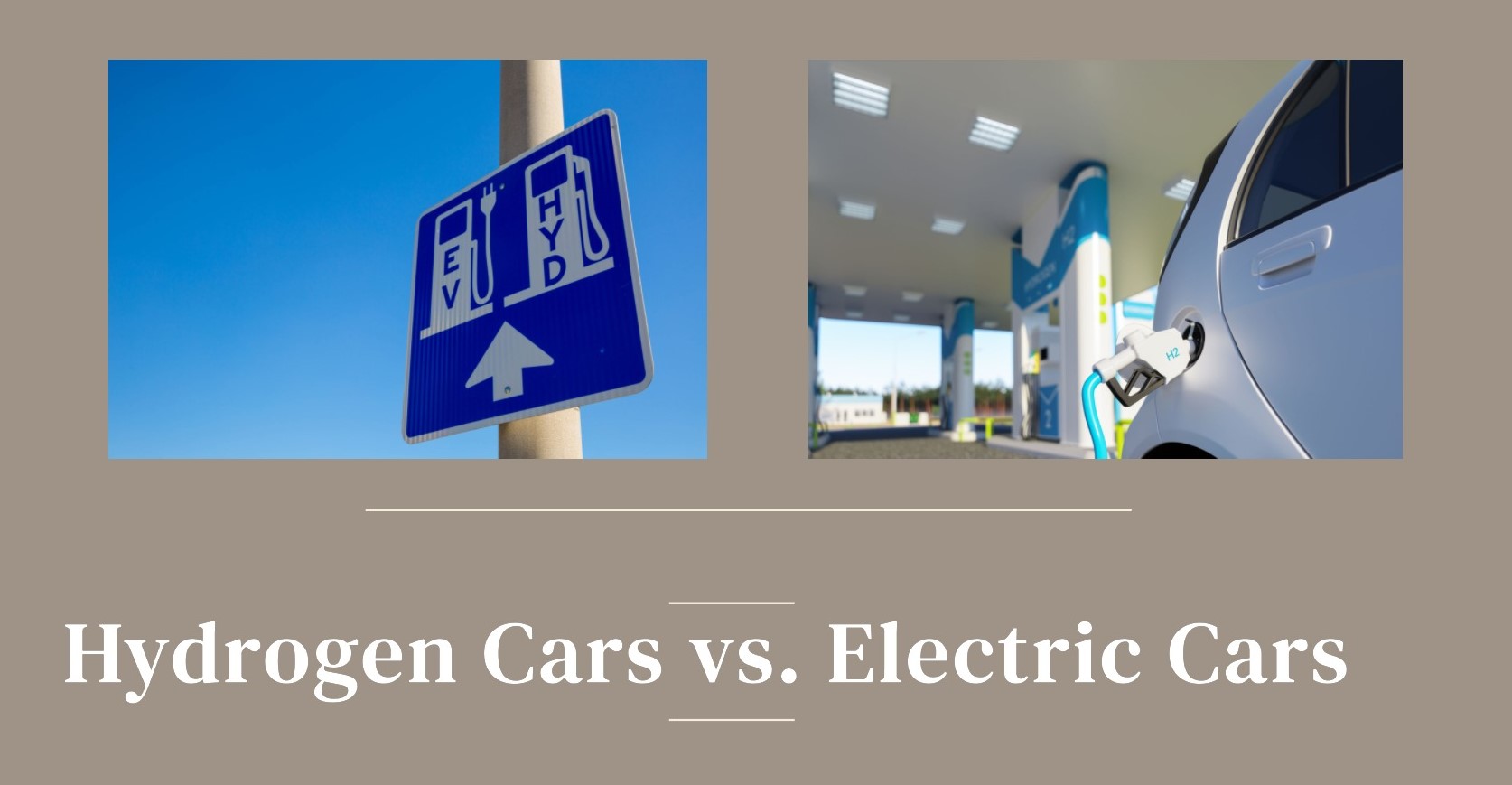
The world of transportation is undergoing a significant transformation as the search for cleaner and more sustainable fuel options intensifies. Two promising contenders in this arena are hydrogen fueling systems and electric fuel systems. As we strive to reduce greenhouse gas emissions and move towards a greener future, the question arises: which fuel system holds the key to a more sustainable transportation sector? In this blog post, we will explore the advantages and challenges of both hydrogen and electric fuel systems to determine which option might be better suited for our energy needs.
- Hydrogen Fueling System: Hydrogen fuel cells have gained attention due to their potential for zero-emission energy generation. Hydrogen is converted into electricity through a chemical reaction, and the only byproduct is water vapor. This technology offers several advantages, including:
a) Rapid Refueling: Hydrogen fueling stations can refill a vehicle’s tank in a matter of minutes, comparable to conventional gasoline or diesel refueling times. This eliminates the long charging times associated with electric vehicles (EVs) and offers a similar convenience for consumers.
b) Extended Driving Range: Hydrogen-powered vehicles typically have a longer driving range compared to most EVs. This is beneficial for long-distance travel and may help alleviate range anxiety.
However, hydrogen fueling systems face significant challenges:
a) Limited Infrastructure: The infrastructure for hydrogen fueling stations is still in its early stages of development, with limited availability in many regions. Expanding this infrastructure requires substantial investment and coordination among stakeholders.
b) Energy Intensive Production: Producing hydrogen often requires a significant amount of energy, primarily derived from fossil fuels. Widespread adoption of hydrogen fuel would require a shift to renewable energy sources for hydrogen production to truly achieve sustainability.
- Electric Fuel Systems: Electric vehicles have gained popularity in recent years, thanks to advancements in battery technology and increased charging infrastructure. EVs offer several advantages:
a) Environmental Friendliness: Electric vehicles produce zero tailpipe emissions, significantly reducing greenhouse gas emissions and air pollution. When charged with renewable energy sources, EVs provide a greener alternative to traditional combustion engines.
b) Expanding Charging Infrastructure: Charging stations for electric vehicles are becoming increasingly common, providing convenient access for EV owners. Home charging units and public charging networks are rapidly expanding, making electric vehicles more practical for daily use.
However, electric fuel systems face their own challenges:
a) Charging Time and Range: Charging an electric vehicle typically takes significantly longer than refueling a hydrogen-powered vehicle. While fast-charging technologies are improving, the time required to charge a battery remains a consideration for long-distance travel. EVs also have a limited driving range compared to hydrogen-powered vehicles, necessitating more frequent charging stops.
b) Battery Production and Disposal: The manufacturing and disposal of lithium-ion batteries, which are commonly used in electric vehicles, present environmental concerns. The extraction of raw materials, such as lithium and cobalt, can have detrimental ecological and social impacts. Proper recycling and disposal of batteries is crucial to minimize environmental harm.
The question of whether hydrogen fueling systems or electric fuel systems are better depends on various factors, including infrastructure development, energy sources, and consumer needs. While hydrogen fueling systems offer fast refueling and extended driving ranges, their infrastructure is still in the early stages. Electric fuel systems, on the other hand, benefit from expanding charging infrastructure and lower environmental impact. Ultimately, a combination of both technologies, along with continued advancements and investment in renewable energy, could provide the most sustainable and efficient future for transportation.